Same-day testing · 24-hour results · $50 off today

Popcorn ceiling asbestos testing · Inland North

Popcorn ceiling asbestos testing in Carmel Valley

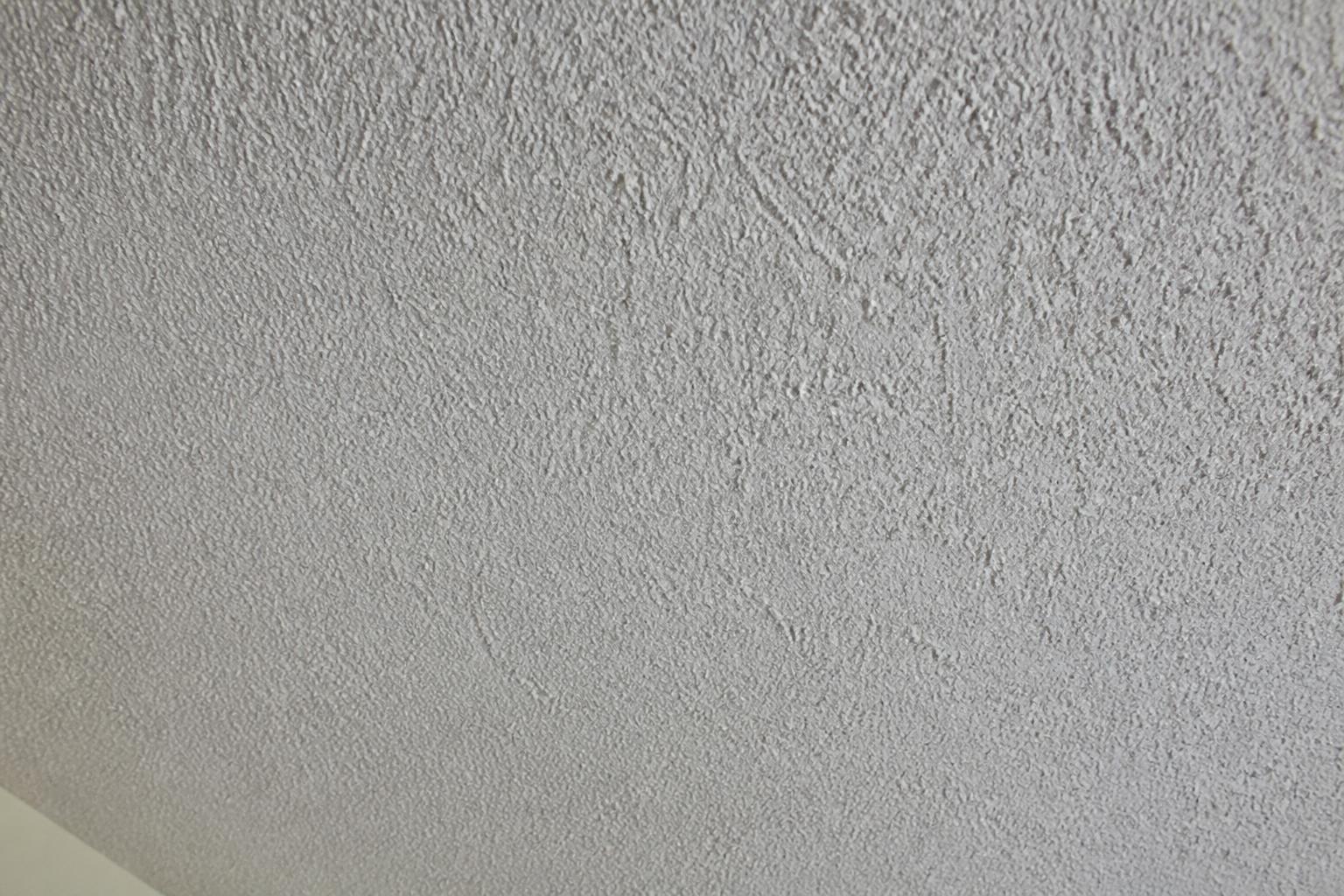
Sprayed acoustic "popcorn" ceilings are everywhere in Carmel Valley's mid-century tract housing, and scraping one before testing is the single most common way San Diego homeowners contaminate a house. We take one contained wet sample per ceiling area and an accredited lab tells you whether the texture — and the joint compound above it — contains asbestos.

Wet sample

Nothing airborne

Accredited

PLM lab result

$50 off today

Before you scrape

Request an inspection

Get a same-day window and 24-hour lab report.

$50 off today · 24-hour results

No obligation · Confirmation text in 15 minutes

Local detail

Why Carmel Valley projects test before work starts

The I-15 corridor is full of 1970s and 1980s tract neighborhoods hitting their second or third remodel cycle. Kitchens, baths, popcorn ceilings and original flooring are the usual suspects.

Inland San Diego · I-15 corridor coverage with contained sampling, accredited lab analysis and a report you can hand to any contractor.

Ceilings in homes built between 1955 and 1985
Scrape-and-smooth remodels booked for this week
Recessed lighting and ceiling fan installs
Buyers negotiating a ceiling removal credit
Kitchen and bath remodels
Popcorn ceiling scraping
Investor flips on a clock
Popcorn ceiling asbestos testing in Carmel Valley, California

Popcorn ceiling asbestos testing

What we sample on a Carmel Valley popcorn ceiling

California treats sprayed texture applied before 1981 as asbestos-containing until a lab proves otherwise, and plenty of Carmel Valley homes were re-textured later with leftover product, so age alone is not proof. We sample the texture together with the drywall joint compound underneath, because the compound frequently tests positive even when the texture does not — a distinction that decides whether your remodel is a weekend scrape or a job for a licensed abatement contractor. Each ceiling plane or separately textured room needs its own sample.

Call (619) 330-7479$50 off today

Why us

$50 off today in Carmel Valley — fast certified results

Most local providers stretch the report over several days, then bill extra to speed it up. We quote on the phone, sample fast, and take $50 off today off your booking.

Typical lab

Multi-day wait

Rush fee to speed it up

San Diego Asbestos

$50 OFF

Coupon code SD50

Abatement bid

Free test

Bundled into removal work

Carmel Valley questions before booking

Do I have to test a popcorn ceiling in Carmel Valley before removal?

In practice, yes. Contractors, permit desks and the San Diego County APCD expect a lab report before any pre-1981 sprayed texture is disturbed.

Can I scrape a small area myself first?

That is the exact action that releases fibers through the whole house. Test before anything gets dry-scraped, sanded or sprayed down.

How many samples does my house need?

One per distinct textured area. Many homes need two or three; we confirm the count on site before touching anything.

Nearby cities

Call (619) 330-7479

Asbestos knowledge

What Carmel Valley owners and contractors should know about asbestos

Friable vs non-friable: why it changes your whole project

Friable asbestos can be crumbled by hand pressure and releases fibers easily — popcorn ceilings, pipe lagging and insulation are typical. Non-friable asbestos is locked into a hard matrix such as floor tile, stucco or roofing, and only becomes hazardous when it is cut, ground or broken up.

Regulators treat the two categories differently, and so do contractors. Friable material generally triggers stricter containment, worker protection and disposal requirements.

Non-friable material is often left alone or encapsulated instead of removed — the cheapest legal outcome available. A test result is what lets you make that call with confidence instead of guessing.

What the lab actually does with your sample

Bulk building samples are analyzed by Polarized Light Microscopy (PLM) with dispersion staining, the EPA-recognized method for identifying asbestos type and percentage in building materials. Results come back as a written report stating each material, the asbestos type detected, and the percentage.

Anything above 1% asbestos by weight is legally considered an asbestos-containing material (ACM) in California, and that threshold drives handling, notification and disposal rules.

When a result is borderline or the matrix is difficult — some floor tiles and mastics are — the lab can run a point count for a more precise percentage.

Every sample is logged under chain of custody: who collected it, where in the building, when, and who received it at the lab. That paper trail is what makes the report acceptable to contractors, abatement firms, permit desks and insurers.

What a positive or negative result actually means for you

A negative result (no asbestos detected) means you can demolish, scrape or remodel that material with normal construction practice. A positive result means the material must be removed by a licensed abatement contractor, encapsulated, or left undisturbed — it does not mean your home is unsafe to live in.

Positive does not automatically mean expensive. Many owners change the scope instead: floating a new floor over old tile, drywalling over a textured ceiling, or shifting a wall opening a few feet.

If removal is the right call, your report becomes the scope document abatement contractors bid from, which usually gets you a tighter and more honest price than a vague verbal description.

Because we only test — we do not sell abatement — there is no incentive on our side for a result to come back positive. That independence is exactly what buyers, landlords and permit reviewers want to see.

California rules that push people to test before work starts

California treats pre-1981 textured ceilings and many older building materials as presumed asbestos-containing unless a lab report proves otherwise, and San Diego County air districts require a survey before most renovation or demolition work on regulated structures.

Cal/OSHA requires employers to determine the presence of asbestos before disturbing suspect material, which is why contractors ask you for a report before they will start.

Federal NESHAP rules, enforced locally by air districts such as BAAQMD in San Diego County and SMAQMD in San Diego, require a thorough asbestos survey before demolition and many renovations, plus advance notification when thresholds are met.

Permit counters increasingly ask for the lab report as an attachment. Having it in hand before you apply prevents a stop-work order and the two-week scramble that follows one.

Landlords, property managers and sellers also use testing defensively: a dated report showing what was tested and when is strong documentation if a tenant or buyer raises the question later.

The process

How asbestos testing works, step by step

  1. 01

    Tell us what you are about to disturb

    Call, text a photo, or send the form. We identify the suspect materials, the likely number of samples, and confirm the flat price before anyone is dispatched.

  2. 02

    Certified inspector arrives and samples safely

    Each homogeneous material is wetted, cut in a coin-sized piece, sealed, labeled and logged under chain of custody. The patch is smaller than a light-switch plate and the area is left clean.

  3. 03

    Accredited lab analyzes by PLM

    Samples are analyzed by Polarized Light Microscopy with dispersion staining — the EPA method for bulk building materials — with point counting available for borderline matrices.

  4. 04

    Written report in 24 hours

    You receive a PDF listing every sample location, the asbestos type detected and the percentage, ready to hand to a contractor, abatement firm or permit desk.

Your deliverable

What your 24-hour asbestos report contains

You receive a PDF you can forward directly to your contractor, abatement bidder, permit reviewer, landlord, insurer or buyer's agent. It is written to be accepted, not to be explained.

  • Property address, inspection date and inspector identification
  • A description and photo reference for every homogeneous material sampled
  • Asbestos type detected (chrysotile, amosite, crocidolite) and percentage per layer
  • Clear pass/fail language: asbestos detected or none detected at the 1% threshold
  • Laboratory accreditation details and the analytical method used
  • Full chain-of-custody documentation from collection through analysis

How we compare

What you actually get Carmel Valley

Asbestos testing service comparison
ProviderHow you get a priceTurnaroundNotes
Typical local labQuote by email, days later3-4 business daysRush turnaround costs extra
Abatement contractorFree test bundled with a bidVariesIncentive to find a problem
San Diego AsbestosFree quote on the phone in 2 minutesFast accredited turnaroundTesting only · $50 OFF today

Every job is scoped by the number of distinct materials being disturbed, so we quote it by phone instead of posting a number that will not match your project. Call (619) 330-7479 and $50 off today comes off the booking.

FAQ

Popcorn ceiling asbestos testing in Carmel Valley: more answers

Can I stay in the house during sampling?

Yes. Sampling takes minutes per material, uses wet methods to prevent fiber release, and does not require you to vacate. Only abatement work requires containment and occupant relocation.

Do you test air quality as well as materials?

Our flat-rate service covers bulk material sampling, which is what renovation, demolition and permit requirements call for. Air clearance testing after abatement is a separate scope — call and we will point you the right direction.

What should I do while waiting for results?

Leave the suspect material alone. Do not scrape, sand or demolish it, keep the area closed off if it is already damaged, and hold off scheduling demolition crews until the report is in hand.

How do I book asbestos testing?

Call (619) 330-7479, text a photo of the material, or submit the request form on any page. We confirm the sampling window, collect the samples, and return a certified written report within 24 hours with $50 off today.

How much does asbestos testing cost in San Diego County?

Single-material asbestos testing with San Diego Asbestos Testing covers the inspector visit, contained sampling and a certified 24-hour lab report, and today it comes with $50 off today. Call (619) 330-7479 and we confirm the exact quote in about two minutes — no rush surcharge, no four-day wait.

How long do asbestos test results take?

Certified written results are returned within 24 hours of the samples reaching the accredited lab. Many labs quote three to five business days as standard and charge extra for next-day service; here 24 hours is the standard turnaround.

Can I get asbestos testing the same day?

Yes, in most cases. Requests placed early in the day usually get a same-day sampling window somewhere in the San Diego County; later requests are normally scheduled for the first slot the following morning.

Do I need an asbestos test before renovating?

If the building was constructed before 1990 and your work will cut, scrape, sand or demolish suspect material, yes. Cal/OSHA requires employers to determine asbestos presence before disturbance, and most contractors will not begin without a lab report.

Is asbestos testing required before demolition in California?

Yes. Federal NESHAP rules enforced by local air districts require a thorough asbestos survey before demolition of regulated structures, along with advance notification to the district.

Do all popcorn ceilings contain asbestos?

No, but textured ceilings sprayed before 1981 are presumed to contain asbestos in California until a lab report proves otherwise. Testing a single coin-sized sample settles it in 24 hours.

Customer reviews

Rated 4.9 out of 5 by San Diego homeowners

56 verified reviews from San Diego County homeowners, property managers, contractors and insurance adjusters who needed certified answers fast.

4.9

56 reviews

  • 5 out of 5 stars

    Condo popcorn ceiling

    HOA required documentation before any scraping. Report satisfied the board immediately.

    Owen P. · Mission Valley ·

  • 5 out of 5 stars

    Professional from start to finish

    Uniformed, badged, and the sampling was documented with photos in the final PDF.

    Bianca F. · University City ·

  • 5 out of 5 stars

    Pre-demo survey done right

    Full survey ahead of a garage teardown. Contractor said it was the most complete one he had seen this year.

    Grant W. · Alpine ·

  • 5 out of 5 stars

    Kind and calm

    I was worried about my asthma. They explained the difference between intact and friable material clearly.

    Adriana Q. · Chollas View ·

  • 4 out of 5 stars

    Efficient

    On time, tidy, and the report arrived overnight. Easy transaction.

    Trevor H. · Carmel Valley ·

  • 5 out of 5 stars

    Attic insulation checked

    Vermiculite concern in an older attic. They sampled safely and gave us a clear next step.

    Monica Z. · Ramona ·

  • 5 out of 5 stars

    Coastal remodel

    Salt-worn stucco with layers of patch. They mapped each sample location on a floor plan.

    Louis C. · Solana Beach ·

  • 5 out of 5 stars

    Same-day booking held

    Called at 8, sampled at 11, report by the next morning. Exactly what was promised.

    Farah N. · Rancho Peñasquitos ·

Glossary

Asbestos terms your contractor and lab report will use

ACM
Asbestos-containing material — any material with more than 1% asbestos by weight.
PACM
Presumed asbestos-containing material — older suspect material treated as positive until testing proves otherwise.
Friable
Material that can be crumbled by hand pressure and therefore releases fibers easily.
Non-friable
Asbestos locked in a hard matrix such as floor tile or stucco; hazardous mainly when cut or broken.
PLM
Polarized Light Microscopy, the standard laboratory method for identifying asbestos in bulk building samples.
Point count
A more precise PLM technique used when asbestos content is near the 1% regulatory threshold.
Homogeneous area
A group of material that is uniform in color, texture and installation date — each one needs its own sample.
Chain of custody
The signed record tracking a sample from collection to laboratory analysis.
Chrysotile
White asbestos, by far the most common type found in California residential materials.
Amosite
Brown asbestos, typically found in insulation board and thermal products.
Encapsulation
Sealing or covering asbestos material in place instead of removing it — often the cheapest compliant option.
Abatement
Licensed removal of asbestos material under containment, performed by a certified abatement contractor.
NESHAP
Federal air standard requiring an asbestos survey and notification before most demolition and renovation work.
BAAQMD
San Diego Air Quality Management District, the regional agency enforcing asbestos rules across the nine San Diego counties.
SMAQMD
San Diego Metropolitan Air Quality Management District, the equivalent agency for the San Diego metro.

Asbestos knowledge

What you need to know before disturbing suspect material

How the 24-hour turnaround works

Samples collected during the day are delivered to an accredited lab and analyzed under a 24-hour turnaround, so a written report is normally in your inbox the next business day.

Booking early matters. A morning call very often gets a same-day sampling window; an evening request generally gets the first slot the next morning.

The report arrives as a PDF you can forward directly to your contractor, abatement firm, permit reviewer, landlord, insurer or buyer's agent.

What asbestos is and why it still matters in California homes

Asbestos is a group of naturally occurring mineral fibers that were mixed into building products for strength and fire resistance until the late 1970s and 1980s. It is only dangerous when the material is disturbed and fibers become airborne.

Asbestos was never fully banned in the United States. It was phased out of most residential products between 1977 and the mid-1980s, but existing material was allowed to stay in place — which is why a huge share of San Diego County housing stock still contains it today.

Intact asbestos material sitting quietly on a ceiling or under vinyl flooring is generally not an active hazard. The risk starts the moment somebody scrapes, sands, drills, cuts, saws or demolishes it, because that is when microscopic fibers are released into the air and can be inhaled.

That is the whole logic behind testing before work: you are not testing because the house is unsafe today, you are testing because the renovation you are about to start could make it unsafe tomorrow.

Where asbestos hides in pre-1990 San Diego County buildings

The most common asbestos-containing materials in San Diego County homes are popcorn/textured ceilings, 9x9 floor tile with black mastic, sheet vinyl backing, joint compound and drywall mud, stucco and exterior siding, duct wrap and furnace insulation, window glazing putty, and roofing felt or shingles.

Textured ceiling spray applied before 1981 is the single most frequent positive result we see. It was used across post-war tract housing, apartment buildings and condos from San Jose to San Diego.

Flooring is second: 9x9 inch vinyl-asbestos tile, the black cutback mastic underneath it, and the paper backing on old sheet linoleum. Layers matter — many homes have three generations of flooring stacked on top of each other.

Wall systems hide it too. Joint compound, texture coats, plaster skim, and stucco mixes from the same era can all test positive, which surprises owners who only expected to worry about ceilings.

Mechanical materials round it out: duct tape and duct wrap on old heating systems, boiler and pipe insulation, furnace cement, and the flat gaskets inside old appliances.

Friable vs non-friable: why it changes your whole project

Friable asbestos can be crumbled by hand pressure and releases fibers easily — popcorn ceilings, pipe lagging and insulation are typical. Non-friable asbestos is locked into a hard matrix such as floor tile, stucco or roofing, and only becomes hazardous when it is cut, ground or broken up.

Regulators treat the two categories differently, and so do contractors. Friable material generally triggers stricter containment, worker protection and disposal requirements.

Non-friable material is often left alone or encapsulated instead of removed — the cheapest legal outcome available. A test result is what lets you make that call with confidence instead of guessing.

The process

How asbestos testing works, step by step

  1. 01

    Tell us what you are about to disturb

    Call, text a photo, or send the form. We identify the suspect materials, the likely number of samples, and confirm the flat price before anyone is dispatched.

  2. 02

    Certified inspector arrives and samples safely

    Each homogeneous material is wetted, cut in a coin-sized piece, sealed, labeled and logged under chain of custody. The patch is smaller than a light-switch plate and the area is left clean.

  3. 03

    Accredited lab analyzes by PLM

    Samples are analyzed by Polarized Light Microscopy with dispersion staining — the EPA method for bulk building materials — with point counting available for borderline matrices.

  4. 04

    Written report in 24 hours

    You receive a PDF listing every sample location, the asbestos type detected and the percentage, ready to hand to a contractor, abatement firm or permit desk.

Your deliverable

What your 24-hour asbestos report contains

You receive a PDF you can forward directly to your contractor, abatement bidder, permit reviewer, landlord, insurer or buyer's agent. It is written to be accepted, not to be explained.

  • Property address, inspection date and inspector identification
  • A description and photo reference for every homogeneous material sampled
  • Asbestos type detected (chrysotile, amosite, crocidolite) and percentage per layer
  • Clear pass/fail language: asbestos detected or none detected at the 1% threshold
  • Laboratory accreditation details and the analytical method used
  • Full chain-of-custody documentation from collection through analysis

How we compare

What you actually get in San Diego County

Asbestos testing service comparison
ProviderHow you get a priceTurnaroundNotes
Typical local labQuote by email, days later3-4 business daysRush turnaround costs extra
Abatement contractorFree test bundled with a bidVariesIncentive to find a problem
San Diego AsbestosFree quote on the phone in 2 minutesFast accredited turnaroundTesting only · $50 OFF today

Every job is scoped by the number of distinct materials being disturbed, so we quote it by phone instead of posting a number that will not match your project. Call (619) 330-7479 and $50 off today comes off the booking.

FAQ

Asbestos testing questions, answered

How many samples do I need?

One per homogeneous material — meaning each distinct material by color, texture and installation era. A kitchen remodel touching ceiling texture, floor tile and mastic requires three samples, not one.

Are home asbestos test kits reliable?

Store kits can produce a lab number, but they lack chain of custody and an inspector attestation, so contractors, abatement firms and permit offices commonly reject them. Self-collection also risks releasing fibers during sampling.

What happens if the test is positive?

You have three compliant options: licensed abatement, encapsulation or covering the material in place, or leaving it undisturbed and changing your project scope. Your report becomes the scope document abatement contractors bid from.

Who can legally remove asbestos in California?

Removal of regulated quantities must be performed by a Cal/OSHA-registered asbestos abatement contractor. Homeowners have limited allowances for their own single-family residence, but disposal and notification rules still apply.

Can you test asbestos in a rental or commercial building?

Yes. Landlords, property managers and commercial owners routinely order testing before tenant turnovers, capital work and demolition, and the same flat pricing and 24-hour turnaround apply.

Do you also do the removal?

No, and that is deliberate. We only test, so the result carries no financial incentive and stays independent — which is exactly what buyers, permit reviewers and tenants want to see.

Will the report be accepted by my contractor and city?

Yes. Reports include inspector identification, sample locations, accredited lab analysis by PLM, the asbestos percentage found and complete chain of custody, which is the documentation contractors and permit offices ask for.

What areas do you cover?

The entire nine-county San Diego plus the San Diego metro, including San Jose, San Francisco, Oakland, Fremont, Berkeley, Walnut Creek, San Mateo, Palo Alto, San Diego, Roseville and Elk Grove.

What is the 1% rule?

A material is legally an asbestos-containing material in California when it contains more than 1% asbestos by weight. Above that threshold, handling, worker protection, notification and disposal requirements apply.

Can asbestos be in a house built in the 1980s?

Yes. Residential asbestos products were phased out gradually rather than banned outright, and existing stock was installed for years afterward, so pre-1990 construction should be treated as suspect until tested.

Customer reviews

Rated 4.9 out of 5 by San Diego homeowners

56 verified reviews from San Diego County homeowners, property managers, contractors and insurance adjusters who needed certified answers fast.

4.9

56 reviews

  • 5 out of 5 stars

    Kitchen remodel stayed on schedule

    Inspector arrived the same afternoon, bagged three samples and the lab report hit my inbox the next morning. My contractor never lost a day.

    David M. · Chula Vista ·

  • 5 out of 5 stars

    Clear answer on our popcorn ceiling

    We had a 1968 popcorn ceiling and no idea what was in it. The report was plain English with photos of each sample location. The $50 coupon was applied without me asking.

    Marisol R. · North Park ·

  • 5 out of 5 stars

    Fast and professional

    Booked at 9am, sampled by 1pm. They sealed every spot they touched and left the room cleaner than they found it.

    Kevin T. · Escondido ·

  • 5 out of 5 stars

    Insurance needed documentation

    Our carrier wanted lab documentation after a water loss. The chain-of-custody paperwork was exactly what the adjuster asked for.

    Angela P. · La Mesa ·

  • 4 out of 5 stars

    Good value, quick turnaround

    Straightforward phone quote in two minutes. Results came back within 24 hours as promised. Only wish weekend slots were easier to get.

    Brandon L. · Oceanside ·

  • 5 out of 5 stars

    Peace of mind before demo

    We were taking down a wall in a 1974 house. Negative result, and the written report kept our permit process moving.

    Priya S. · Carlsbad ·

  • 5 out of 5 stars

    Honest, no upsell

    They did not try to sell me removal work. Just testing, results, and a clear explanation of what the numbers meant.

    Jorge A. · El Cajon ·

  • 5 out of 5 stars

    Great with a nervous homeowner

    I was panicking about our kids being in the house. The inspector walked me through containment and what was actually a risk.

    Hannah W. · Encinitas ·

Glossary

Asbestos terms your contractor and lab report will use

ACM
Asbestos-containing material — any material with more than 1% asbestos by weight.
PACM
Presumed asbestos-containing material — older suspect material treated as positive until testing proves otherwise.
Friable
Material that can be crumbled by hand pressure and therefore releases fibers easily.
Non-friable
Asbestos locked in a hard matrix such as floor tile or stucco; hazardous mainly when cut or broken.
PLM
Polarized Light Microscopy, the standard laboratory method for identifying asbestos in bulk building samples.
Point count
A more precise PLM technique used when asbestos content is near the 1% regulatory threshold.
Homogeneous area
A group of material that is uniform in color, texture and installation date — each one needs its own sample.
Chain of custody
The signed record tracking a sample from collection to laboratory analysis.
Chrysotile
White asbestos, by far the most common type found in California residential materials.
Amosite
Brown asbestos, typically found in insulation board and thermal products.
Encapsulation
Sealing or covering asbestos material in place instead of removing it — often the cheapest compliant option.
Abatement
Licensed removal of asbestos material under containment, performed by a certified abatement contractor.
NESHAP
Federal air standard requiring an asbestos survey and notification before most demolition and renovation work.
BAAQMD
San Diego Air Quality Management District, the regional agency enforcing asbestos rules across the nine San Diego counties.
SMAQMD
San Diego Metropolitan Air Quality Management District, the equivalent agency for the San Diego metro.
CallTap to talkTextSend a photoBook test$50 off today